
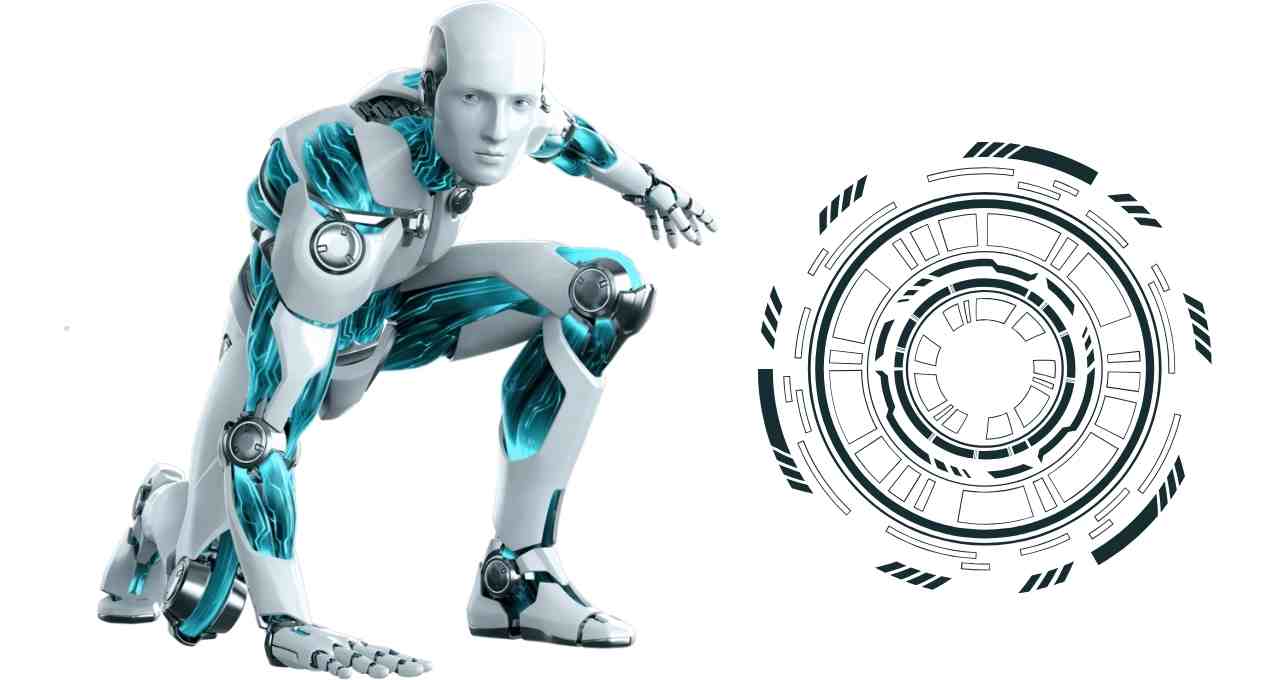
Robotics is the field of engineering and computer science that deals with the design, construction, operation, and application of robots. Robots are machines that are capable of carrying out a variety of tasks autonomously or semi-autonomously. They are used in a wide range of industries, including manufacturing, healthcare, logistics, and agriculture.
History of Robotics
The word “robot” was first coined by the Czech writer Karel Čapek in his 1920 play “R.U.R.” (Rossum’s Universal Robots). In the play, robots are artificial beings that are created to serve humans. The play was a critical and commercial success, and it helped to popularize the concept of robots.
The first practical robots were developed in the early 20th century. These robots were used in factories to perform repetitive tasks, such as welding and painting. In the 1960s and 1970s, robots became more sophisticated and began to be used in a wider range of applications.
Today, robots are used in a wide variety of industries and applications. Some of the most common types of robots include:
- Industrial robots: These robots are used in factories to perform repetitive tasks, such as welding, painting, and assembly.
- Service robots: These robots are used in a variety of settings, such as hospitals, hotels, and restaurants. They can perform tasks such as cleaning, delivering food, and assisting with patient care.
- Collaborative robots: These robots are designed to work alongside humans safely. They are often used in assembly line settings to help workers with tasks such as lifting and moving heavy objects.
- Autonomous robots: These robots are capable of operating without human intervention. They are often used in hazardous environments or for tasks that are difficult or dangerous for humans to perform.
Applications of Robotics
Robotics is used in a wide variety of industries and applications. Some of the most common applications of robotics include:
- Manufacturing: Robots are used in factories to perform a variety of tasks, such as welding, painting, assembly, and packaging.
- Healthcare: Robots are used in hospitals and other healthcare settings to perform tasks such as surgery, patient care, and rehabilitation.
- Logistics: Robots are used in warehouses and distribution centers to pick and place items, sort packages, and move materials.
- Agriculture: Robots are used in farms to perform tasks such as harvesting crops, milking cows, and spraying pesticides.
- Military: Robots are used in the military for a variety of tasks, such as reconnaissance, bomb disposal, and mine sweeping.
- Space exploration: Robots are used to explore planets and other celestial bodies. They are also used to perform tasks such as satellite servicing and space station maintenance.
Future of Robotics
Robotics is a rapidly growing field with a wide range of potential applications. As robots become more sophisticated and affordable, they are likely to become even more widely used in a variety of industries and applications.
Some of the potential future applications of robotics include:
- Self-driving cars: Self-driving cars are one of the most promising potential applications of robotics. Self-driving cars could revolutionize the way we travel and transport goods.
- Personal robots: Personal robots could be used to assist us with a variety of tasks in our homes and workplaces. For example, personal robots could be used to cook meals, clean the house, and provide companionship.
- Surgical robots: Surgical robots are already being used to perform complex surgeries. In the future, surgical robots may be used to perform even more complex surgeries and to provide more personalized care to patients.
- Exoskeletons: Exoskeletons are robotic devices that can be worn to provide additional strength and mobility. Exoskeletons could be used to help people with disabilities perform everyday tasks or to help workers perform dangerous or physically demanding jobs.
Conclusion
Robotics is a rapidly growing field with a wide range of potential applications. As robots become more sophisticated and affordable, they are likely to become even more widely used in a variety of industries and applications. Robotics has the potential to revolutionize the way we live and work.
