
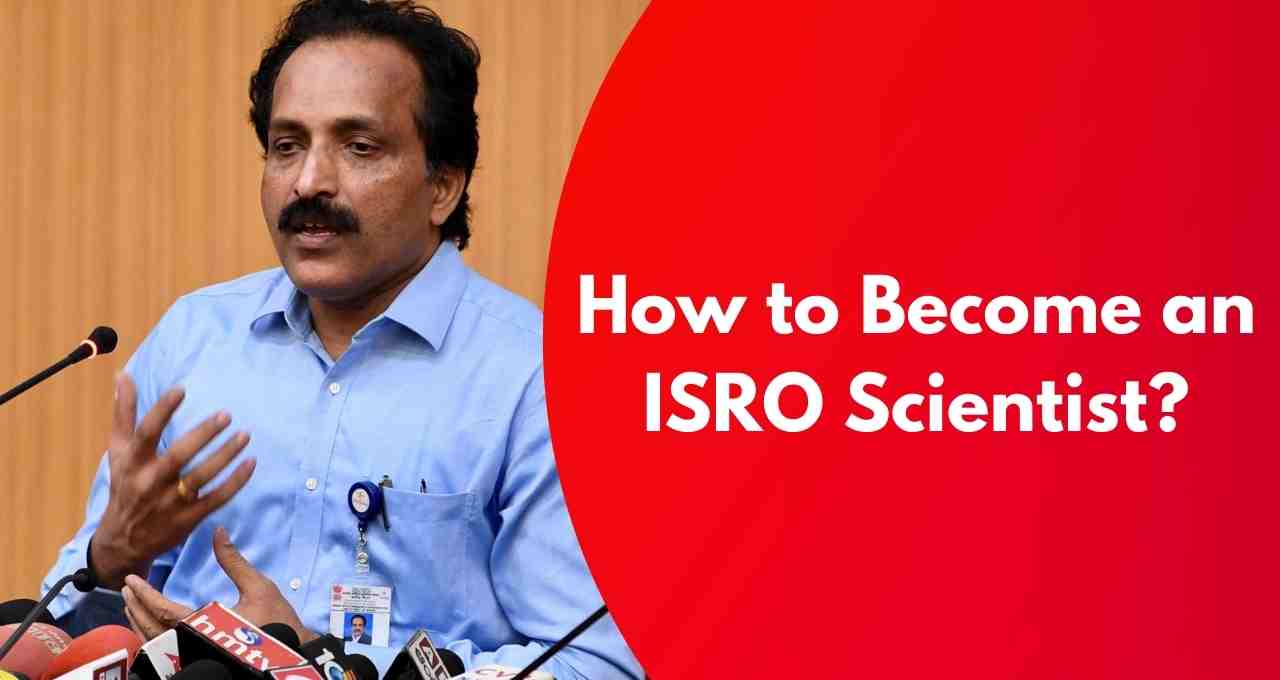
ISRO, or the Indian Space Research Organisation, is one of the most prestigious space agencies in the world. It is responsible for India’s space program, which has launched numerous satellites, rockets, and spacecraft into orbit. ISRO scientists play a vital role in the development and operation of these missions, and they are also involved in cutting-edge research in space science and technology.
If you are interested in becoming an ISRO scientist, there are a few things you need to do. First, you need to have a strong academic background in science or engineering. ISRO typically recruits scientists with a master’s degree in a relevant field, such as mechanical engineering, electrical engineering, computer engineering, physics, or astronomy.
In addition to academic qualifications, ISRO also looks for candidates with strong problem-solving skills, analytical skills, and communication skills. ISRO scientists often have to work on complex projects under tight deadlines, so it is important to be able to think critically and work effectively in a team environment.
Educational qualifications
To become an ISRO scientist, you must have at least a bachelor’s degree in a relevant field, such as engineering, science, or mathematics. However, ISRO prefers to hire candidates with a master’s degree or PhD.
Here are the specific educational qualifications for different positions at ISRO:
- Scientist/Engineer-SD (Junior Research Fellow): ME/MTech/MS/MSc or equivalent with an aggregate minimum of 60% marks or CGPA 6.5/10 and above; BE/BTech or equivalent with an aggregate minimum of 65% marks or CGPA 6.84/10 and above; or B.SC or equivalent with an aggregate minimum of 60% marks or CGPA 6.5/10 and above.
- Scientist/Engineer-SC (Scientist/Engineer-C): ME/MTech/MS/MSc or equivalent with an aggregate minimum of 65% marks or CGPA 6.84/10 and above; BE/BTech or equivalent with an aggregate minimum of 70% marks or CGPA 7.2/10 and above.
- Scientist/Engineer-SD (Scientist/Engineer-D): PhD in a relevant field.
How to apply for ISRO scientist jobs
ISRO recruits scientists through the ISRO Centralized Recruitment Board (ICRB). The ICRB conducts written exams and interviews to select candidates for different positions at ISRO.
The ICRB exam is a two-stage exam. The first stage is a written exam that consists of two papers: a general aptitude test and a technical test. The second stage is an interview.
To apply for ISRO scientist jobs, you need to visit the ISRO website and register yourself. Once you are registered, you can apply for jobs that match your qualifications and experience.
Tips for becoming an ISRO scientist
Here are a few tips for becoming an ISRO scientist:
- Get a strong academic background in science or engineering. ISRO typically recruits scientists with a master’s degree in a relevant field.
- Develop strong problem-solving skills, analytical skills, and communication skills. ISRO scientists often have to work on complex projects under tight deadlines, so it is important to be able to think critically and work effectively in a team environment.
- Gain experience in space science and technology. You can gain experience through internships, research projects, and extracurricular activities.
- Prepare well for the ICRB exam. The ICRB exam is a competitive exam, so it is important to prepare well for it. You can find study materials and practice tests online and in libraries.
Conclusion
Becoming an ISRO scientist is a challenging but rewarding career. If you are passionate about space science and technology, and you have the necessary skills and qualifications, then you should definitely consider applying for a job at ISRO.
